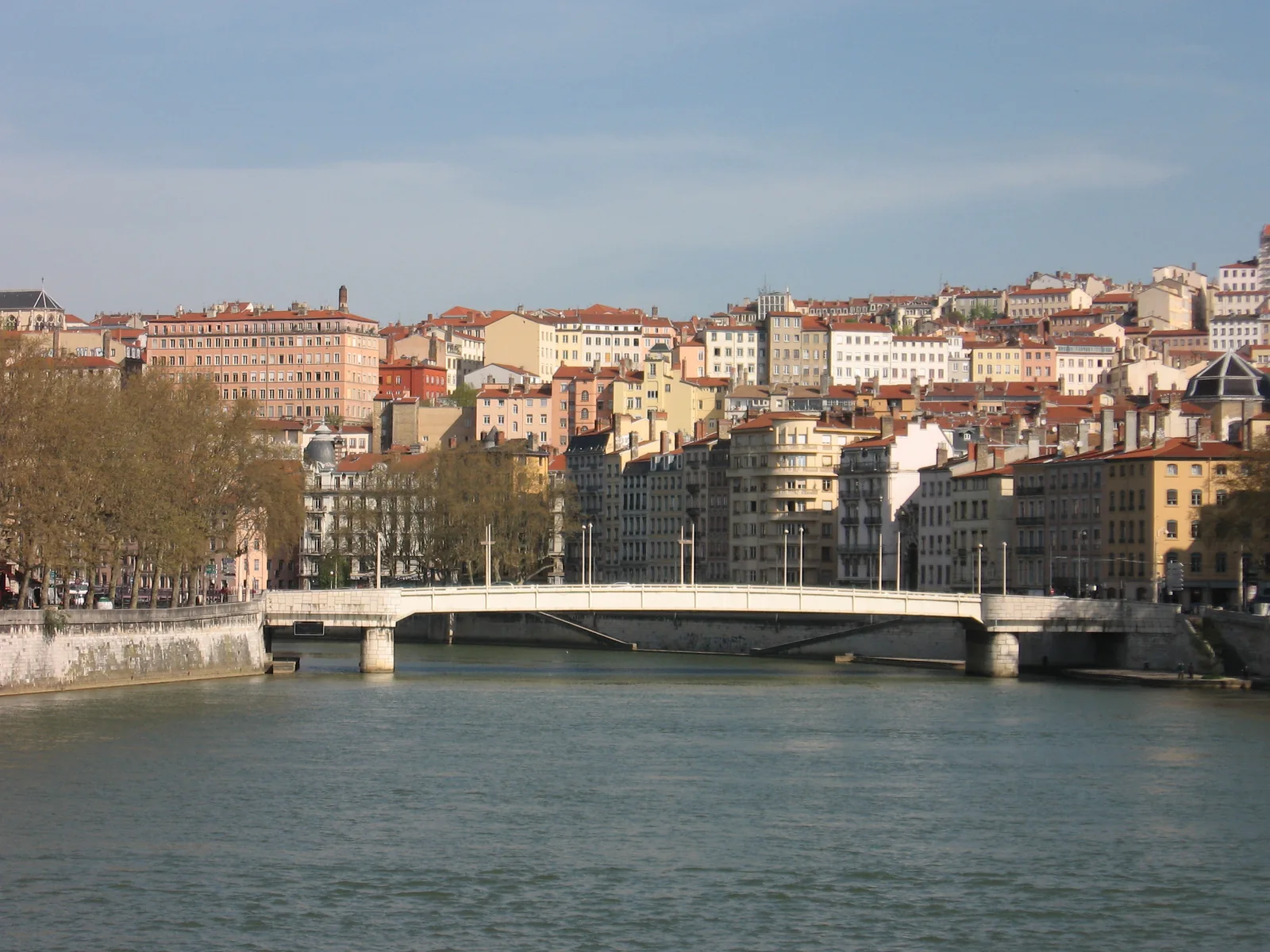
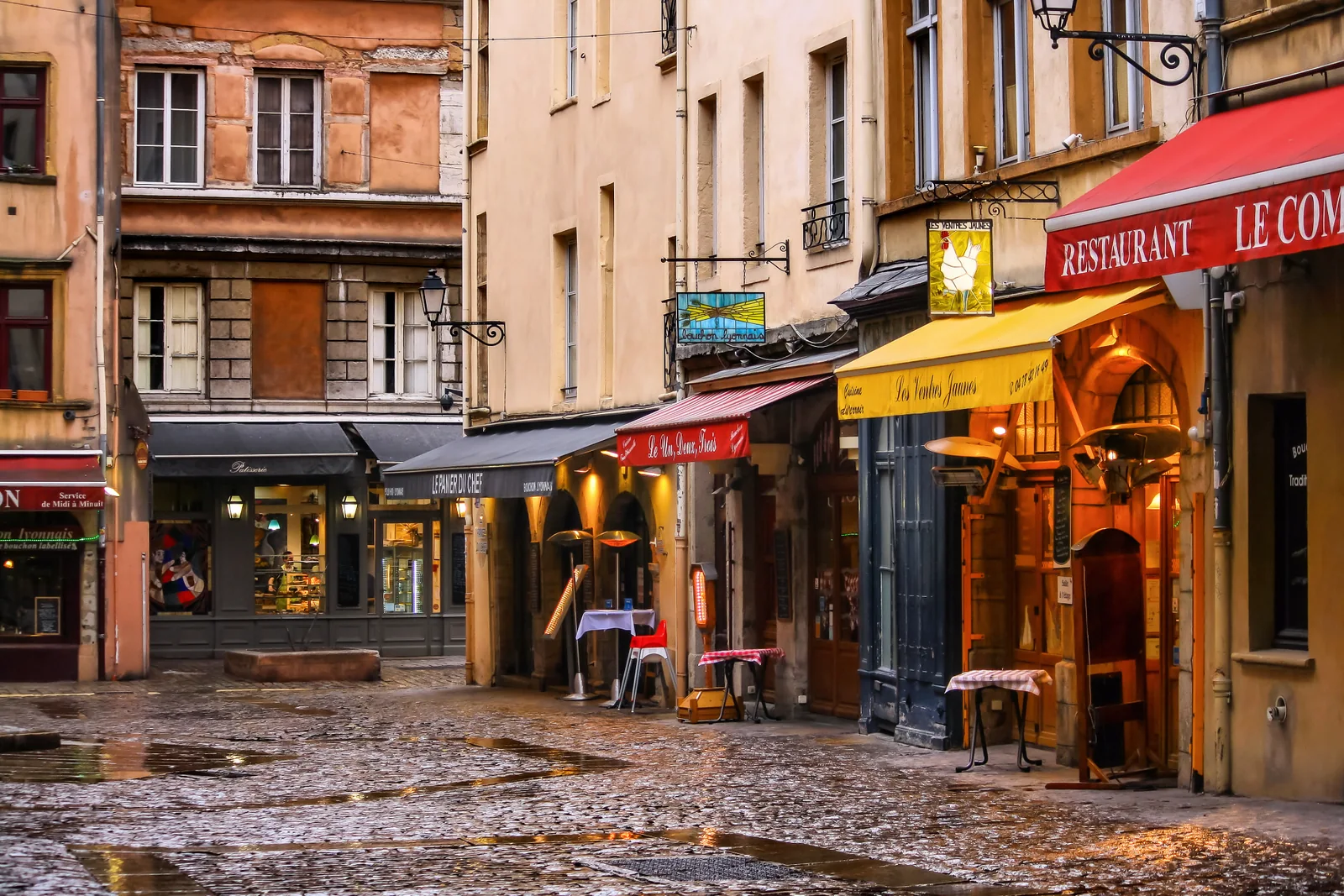
Vieux Lyon rewards a slow visit: narrow streets, Renaissance façades and courtyards are more interesting when you are not constantly looking for the next famous door. Traboules are passages through buildings and blocks, but they are not all public corridors. The most useful approach is to combine the open streets with a small number of clearly authorised passages.
A practical way to visit
- Start around Saint-Jean and orient yourself using the cathedral area and the Saône.
- Follow the old town’s public streets, entering a traboule only where current signs permit access.
- Finish with a river view or a booked walking tour if understanding the passages matters more than collecting entrances.
What makes this stop worthwhile
Opening doors at random is not a good exploration method. People live and work in these buildings; access can change, and a previously public route may be closed when you arrive. Keep to the indicated route, avoid flash or loud group conversations in residential courtyards and leave a closed gate closed. A guided visit can explain architecture and access without making you improvise. If a passage is unavailable, there is still a full neighbourhood to enjoy outside it.
Small decisions that improve the day
- Check the tourism office’s current visit information instead of using an old door list.
- Keep a clear route back to the public street.
- Choose an outside meeting point when your group pauses for photographs.
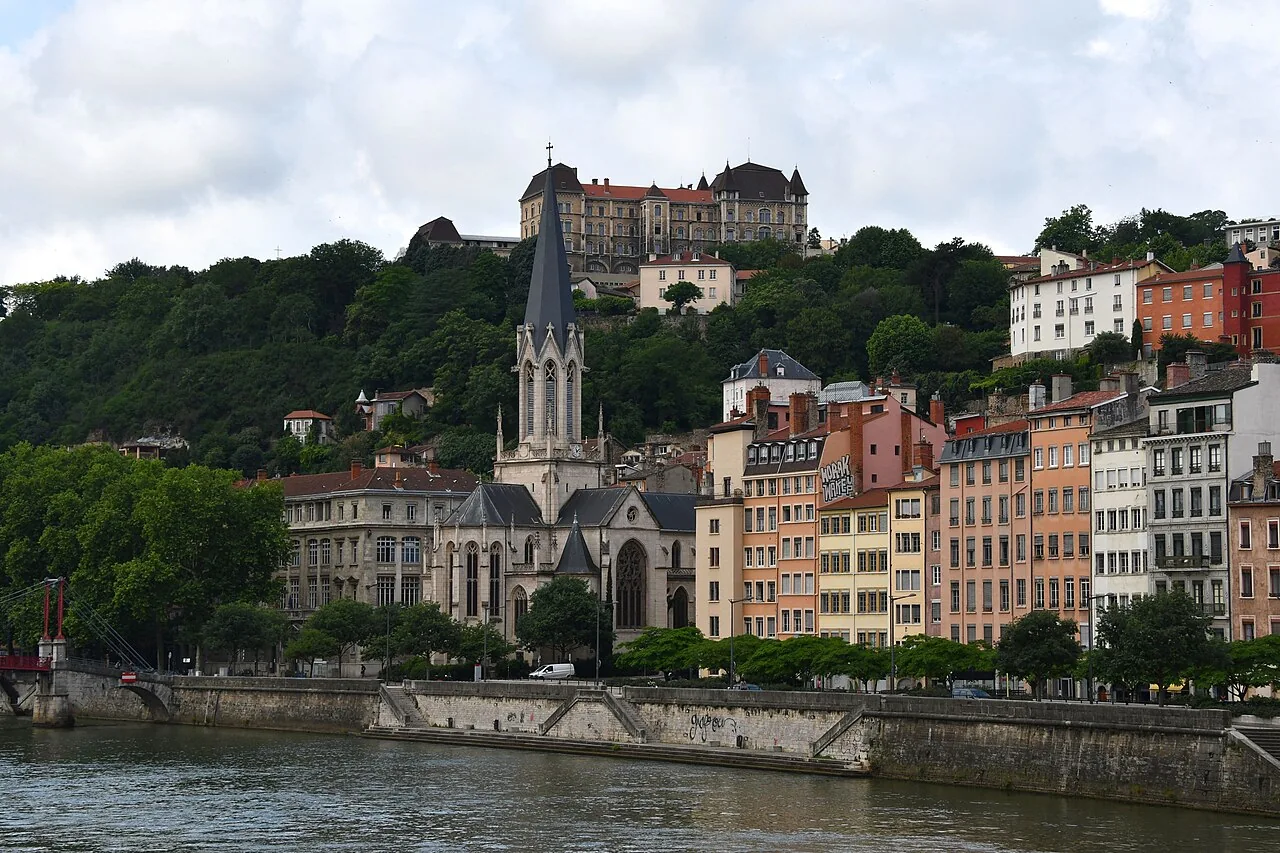
Build the walk around streets, not locked doors
A useful old-town sequence is Saint-Georges, the cathedral quarter of Saint-Jean, then Saint-Paul. Each section has enough public streets, façades and river views to justify the walk even if a particular courtyard is closed. Use the tourist office’s current public-access traboule list to choose a small number of passages along that route. A traboule connects streets through buildings; a beautiful courtyard may simply lead back to its entrance.
Read the plaque and the conditions at the door before entering. Step aside for residents, keep conversations for the street and avoid stopping with a group in a narrow passage. If another group is inside, wait outside rather than filling the entrance. Keep photographs focused on architecture without recording residents or looking into their windows.
Have a public-street alternative ready
Save both ends of a listed passage on your map, but keep the ordinary street route between them visible too. A locked door, a temporary sign or a resident asking for quiet is a reason to move on, not to search for another way inside. Do not ring random bells or copy a door code from an old blog. With a wheelchair or pushchair, choose the public streets first: some courtyards and connections contain steps that a map does not reveal.
Does an open door mean the passage is public?
No. Confirm that the location is designated for visitor access and respect the current entrance notice. Residential doors can be open for other reasons.
Do I need to see many traboules?
Two or three carefully chosen open passages can be enough. A guided visit is useful when the history matters more than collecting entrances.
Practical information checked: 5 November 2026. Prices and access may change; confirm the selected date with the official provider.
Saint-Jean to Saint-Paul: a half-day walking plan
Start at Vieux Lyon metro station, walk to Place Saint-Jean and look back at the cathedral façade before entering the busier shopping lanes. Continue along Rue Saint-Jean, detour into Rue du Bœuf, then return towards Place du Change and Saint-Paul. Allow 2–3 hours for streets, courtyards and a café; add at least another hour if you choose a museum. The Renaissance buildings reward looking upwards: galleries, spiral stairs and inner courtyards explain why the quarter is more than a souvenir-shopping stop.
A traboule is a passage through buildings between streets, not a public museum corridor. The long passage linking 54 Rue Saint-Jean and 27 Rue du Bœuf is a useful point to locate, but an address is not permission to enter. Follow current signs, enter only an open authorised passage and leave quietly. Do not ring residents’ bells or follow someone through a locked entrance.
Access hours, tickets and respectful visiting
The tourist office explains that properties covered by the courtyard/traboule agreement provide pedestrian access from 07:00 to 19:00. This does not mean every historic passage is participating or guaranteed open. A temporary closure must be respected. The public-street walk and eligible open passages have no admission charge; a guide’s tour, Gadagne or the Cinema and Miniature Museum is a separate purchase.
If you want historical explanation and a more reliable selection of accessible courtyards, compare an official guided walk with exploring independently. Check the meeting point, tour language, duration and cancellation terms before booking. Some Lyon City Card configurations include an eligible guided visit; reserve rather than assuming the card guarantees a place. Do not buy a city pass solely for this otherwise free street walk.
Map, transport and accessibility
Open the old-town walking map. It follows public streets; the map does not certify access through private buildings. Metro D at Vieux Lyon is the southern anchor; Saint-Paul is the northern end, with an easy return along the river.
Many passages contain steps and narrow doors. A street-level route is often more practical for a wheelchair or pushchair; ask museums about accessible entrances separately. In wet weather, cobbles can be slippery. If a passage is crowded, skip it and continue: another courtyard is less important than residents’ access to their homes.
Location map
Official sources and reservations
Keep exploring Lyon
- Lyon in 48 hours: a first-visit route that leaves room to explore
- Fourvière: viewpoints, the basilica and an easier way uphill
- Eating in Lyon: how to choose a bouchon and read the menu