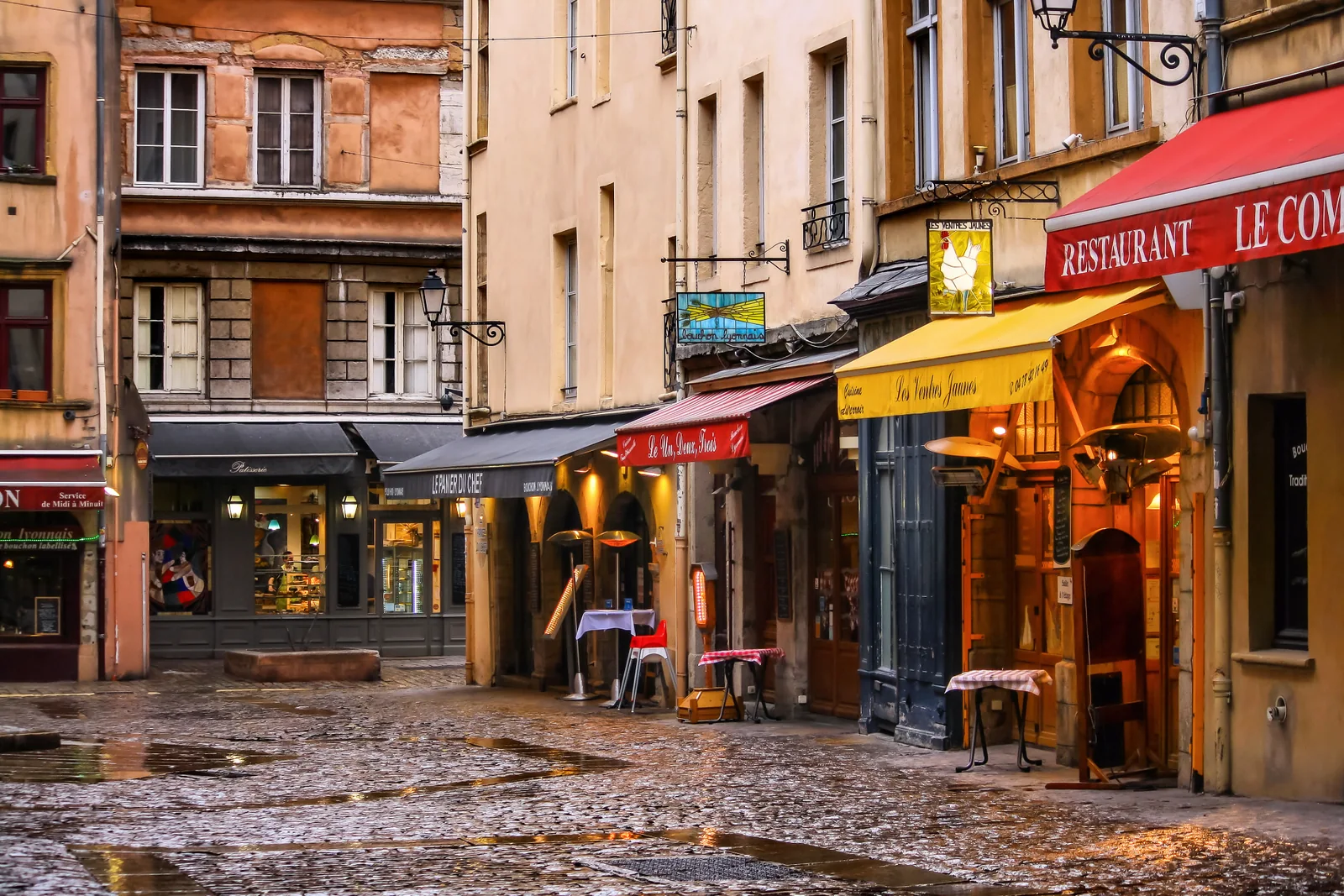
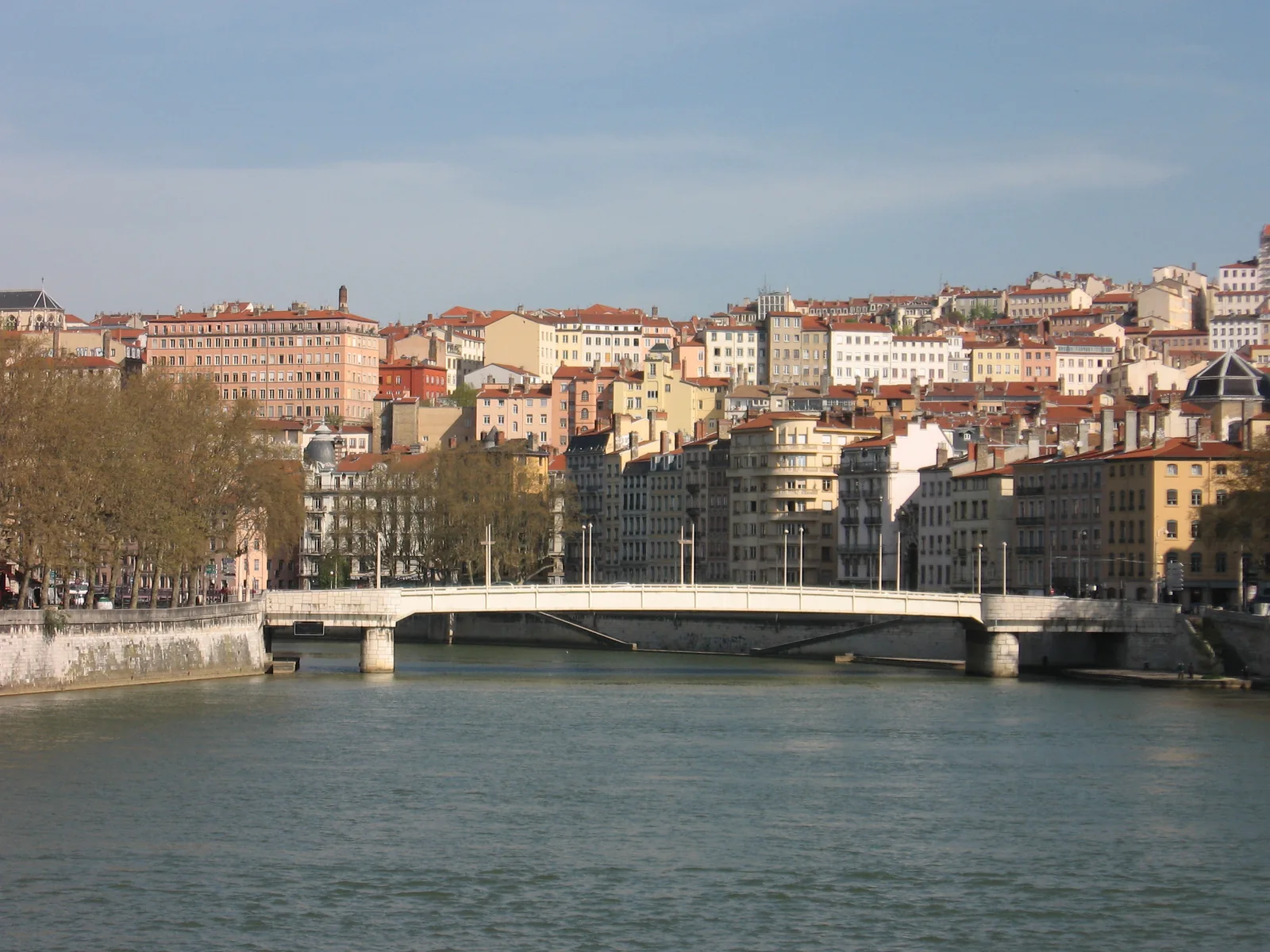
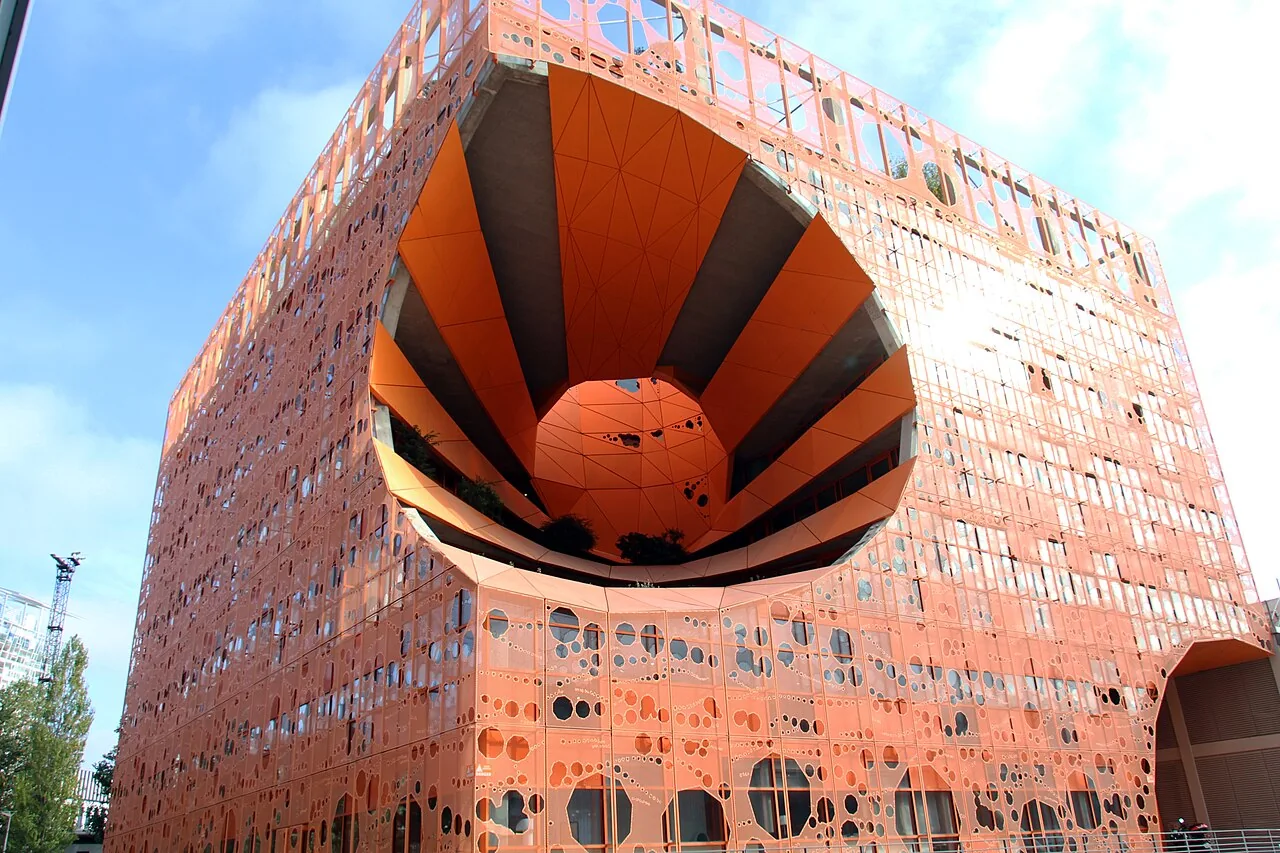
The Presqu’île is a useful first introduction to central Lyon because its squares, shopping streets and river edges can be linked in several different ways. It is not necessary to walk its entire length. Choose a compact section around Bellecour, the Jacobins and the Terreaux area, then decide which river you want to finish beside.
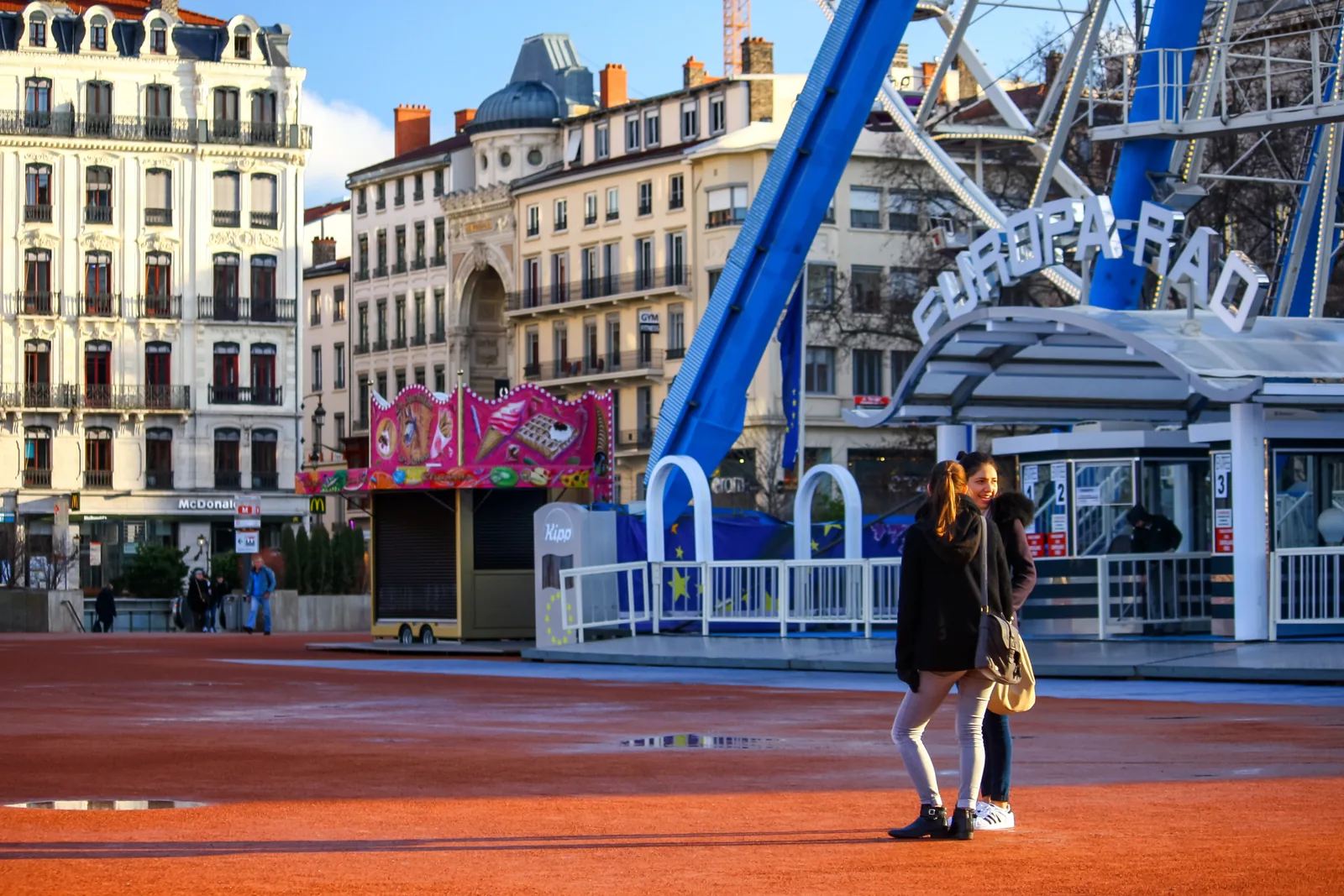
A practical way to visit
- Begin at Bellecour and look at your map before leaving the open square.
- Continue through the central streets towards the Jacobins area and then towards the Hôtel de Ville and Terreaux.
- Finish by the Saône or Rhône, or turn back towards your accommodation instead of adding another full district.
What makes this stop worthwhile
Use the main streets for orientation and the side streets for pauses. Rue de la République is a familiar central axis, while smaller streets can provide a quieter change of pace. The centre’s traffic arrangements and works can change, so follow current pedestrian crossings and local signs rather than an old map screenshot. If shopping is the priority, check individual opening information; an attractive retail street is not a promise that every shop opens on your chosen day.
Small decisions that improve the day
- Mark the final river or station before starting your loop.
- Treat lunch streets as options and compare menus before choosing.
- Avoid turning a relaxed centre walk into a compulsory shopping itinerary.
Follow a sequence that keeps the centre connected
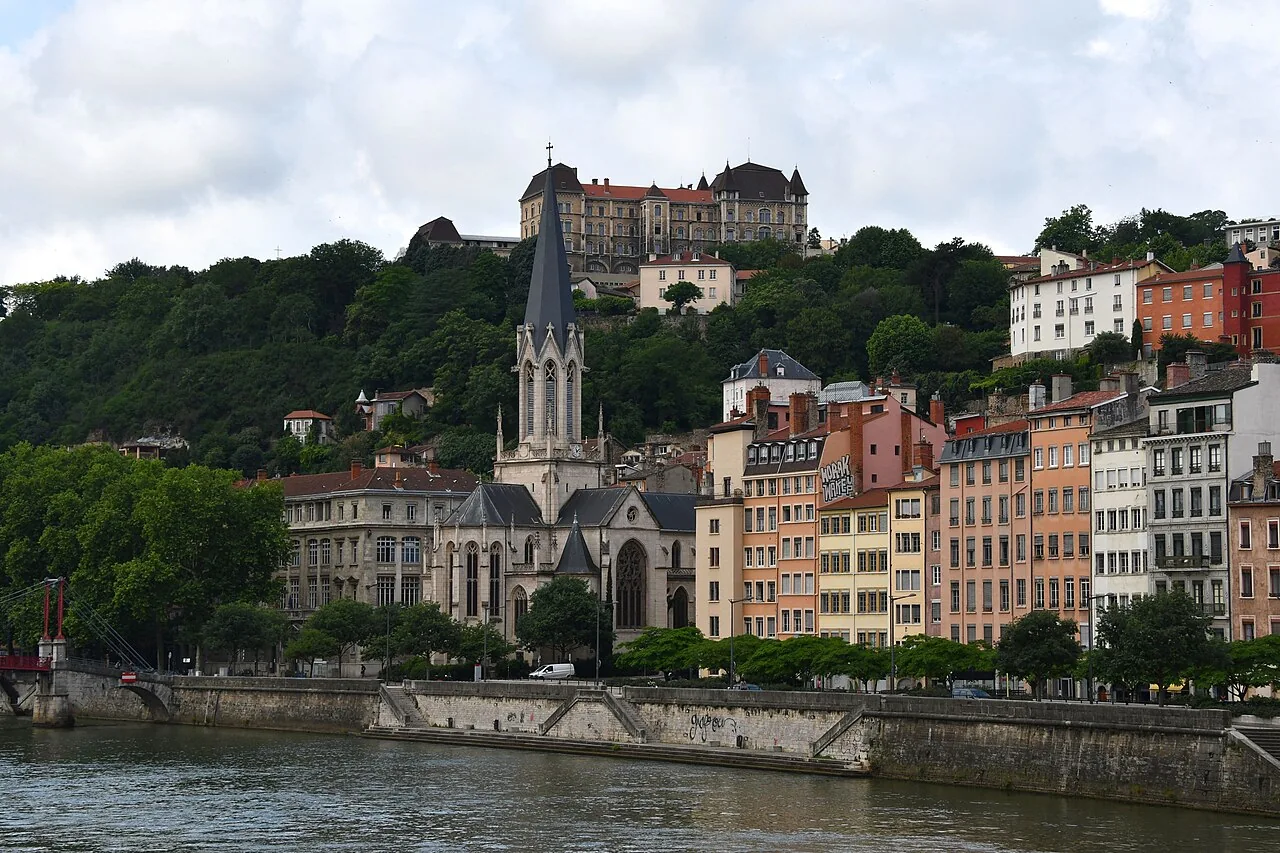
Start at Bellecour and head toward the Célestins area before continuing to Place des Jacobins. From there, choose your street north toward Cordeliers and finish at Terreaux. This creates a readable walk through the peninsula’s public squares rather than repeatedly returning to the starting point. The Saône lies on one side and the Rhône on the other; noticing which river you are approaching helps more than memorising every street name.
Decide whether shopping is a pause or the purpose of the outing. If you want a proper look inside several shops, shorten the architectural route. For photographs, move out of pedestrian flows before stopping at a fountain or crossing. A square can be enjoyable without entering every nearby building.
Choose one useful extension at the end
At Terreaux, the Musée des Beaux-Arts is the natural indoor addition if its calendar suits the day. A start toward the Croix-Rousse slopes creates a different, more demanding extension; it is not simply more of the same flat centre. Alternatively, finish with a café and transport home. If you want Vieux Lyon instead, identify a suitable Saône crossing earlier and adjust the route rather than adding the entire old town after reaching Terreaux.
Is this a step-free route?
The central peninsula is less hilly than Fourvière or Croix-Rousse, but kerbs, roadworks, entrances and temporary diversions still matter. Check your actual path and building access.
Do I need museum tickets to enjoy Terreaux?
No. The public square, fountains and surrounding façades are a separate outdoor visit. Access to museum galleries has its own conditions.
Keep exploring Lyon
- Lyon in 48 hours: a first-visit route that leaves room to explore
- Croix-Rousse: silk history, slopes and a neighbourhood walk
- Confluence: modern architecture at the meeting of Lyon’s rivers
Useful official information
Practical information checked: 5 November 2026. Confirm date-specific prices, hours and access with the official operator.
Squares, river edges and one museum
Between the Rhône and Saône, the Presqu’île links Lyon’s civic squares with shopping streets and the former hospital of the Grand Hôtel-Dieu. The pleasure is in comparing these spaces, not covering every shopfront.
- Start at Bellecour, then visit the public areas of Grand Hôtel-Dieu. Continue through Place des Jacobins and Place des Célestins, with a short Saône-side pause.
- Walk north towards Terreaux, the town-hall exterior and the Fine Arts Museum. Allow 2–3 hours for the outdoor route, plus 1½–2 hours if choosing the museum.
- Use Bellecour as the southern transport anchor and Hôtel de Ville as the northern one. Return along a different river edge rather than repeating the shopping street.
Costs and museum planning
- The public-square walk is free. Restaurant meals, guided tours and museum admission are separate; an accessible courtyard does not imply access to every Grand Hôtel-Dieu interior.
- Fine Arts Museum collection: €8 adult, €4 ages 18–25, free under 18. Temporary-exhibition tariffs differ; the current Musée sentimental exhibition is listed at €14 adult.
- Regular museum hours: Wednesday–Monday 10:00–18:00, Friday from 10:30; closed Tuesdays and listed public holidays. Ticket desk closes 17:30. Current twentieth-century rooms are closed.
- Reserve more indoor time in rain. Keep an accessible alternative on main streets if cobbles or steps are difficult, and check the museum’s entrance arrangements separately.