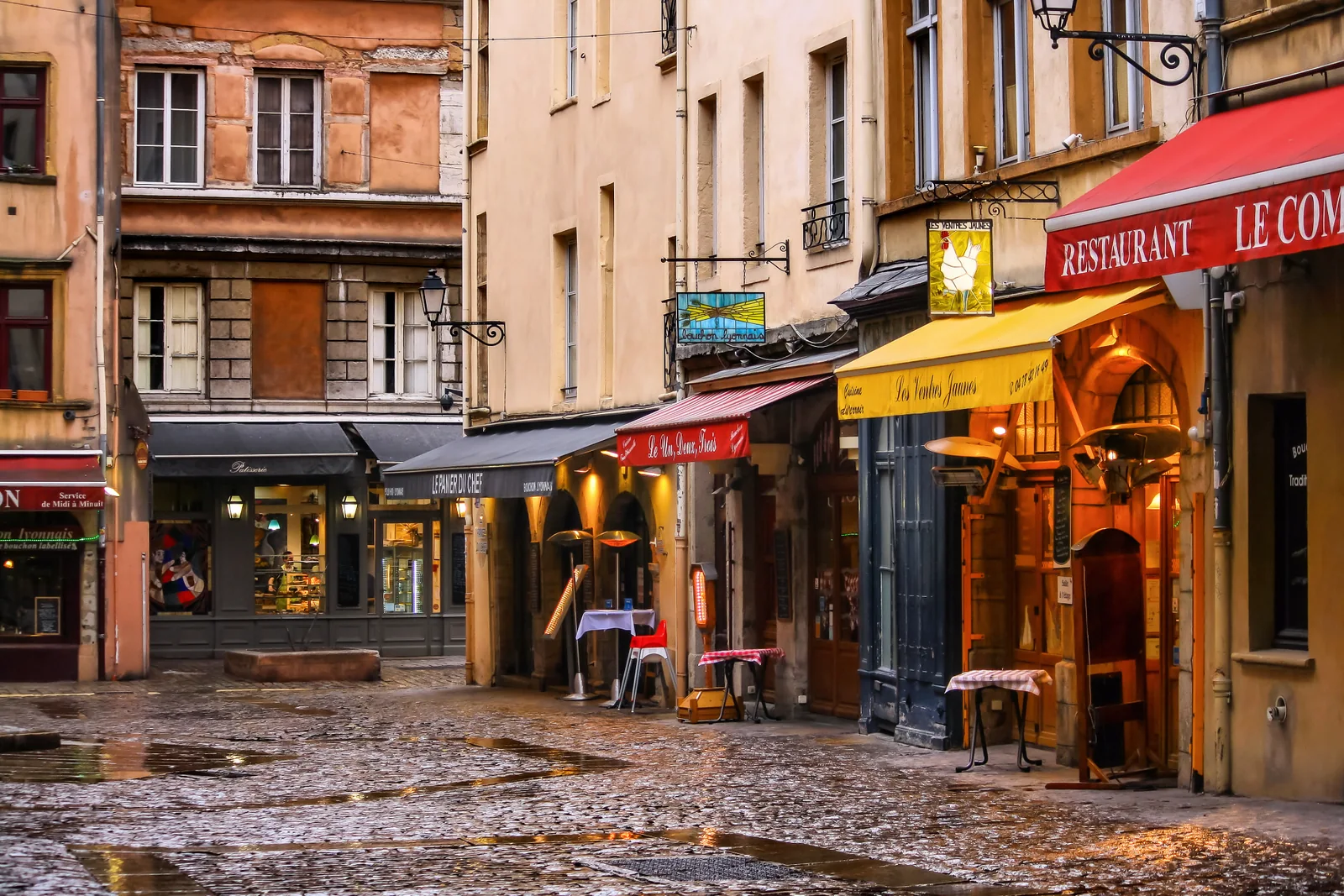
Eating in Lyon becomes easier when you know what you want from the meal. A bouchon is a traditional Lyon restaurant, not a guarantee of a particular price or a menu suitable for every diet. The tourism office’s Label Bouchons Lyonnais directory is a useful starting point; the current menu and a conversation with the restaurant should make the final decision.
A practical way to visit
- Choose your meal area and check a few current menus before making a reservation.
- Select one regional dish you actually want to try and ask about its preparation.
- Build the rest of the day around the size of that meal, leaving space for a lighter café or market stop.
What makes this stop worthwhile
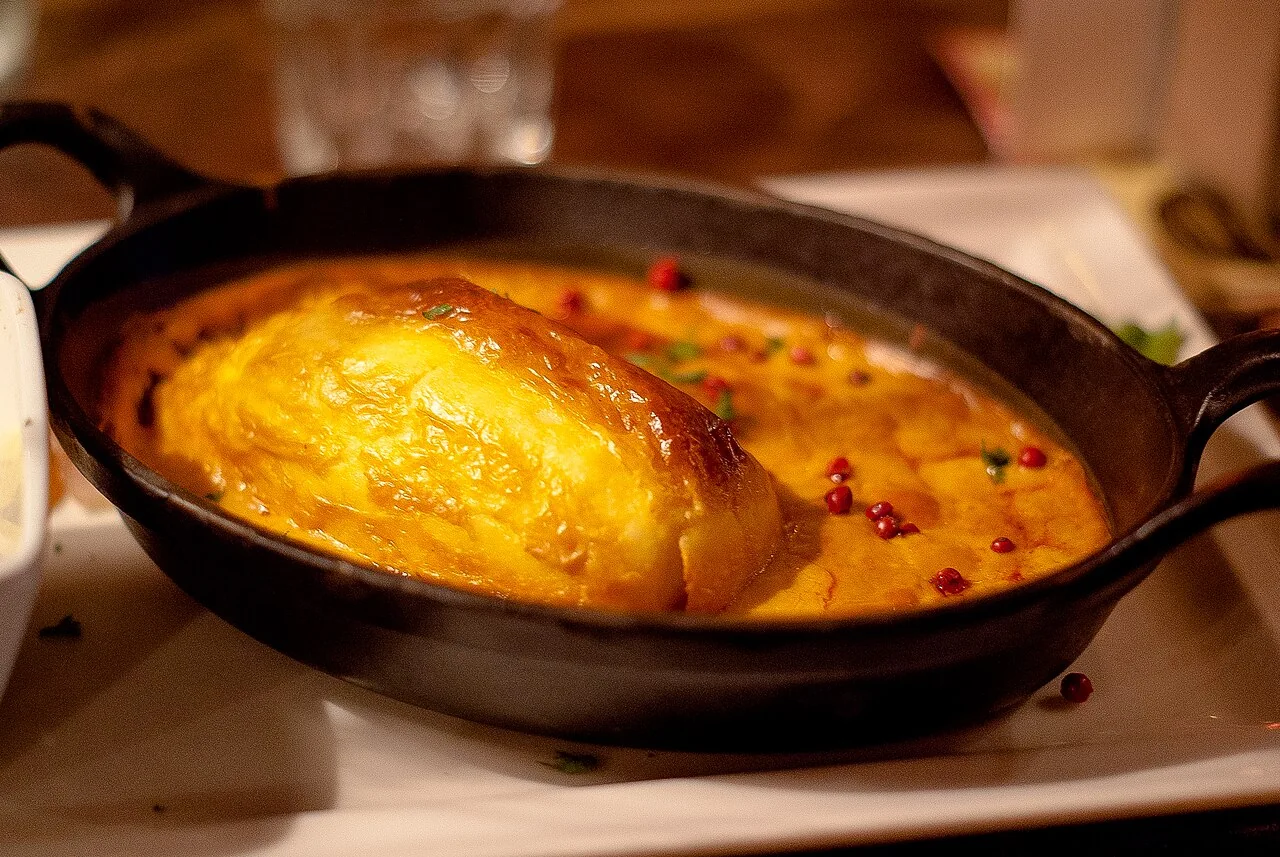
Familiar menu words can be misleading. Quenelles are a regional speciality whose ingredients and accompanying sauce vary; ask directly if fish or other allergens matter. Cervelle de canut is a seasoned fresh-cheese preparation, despite a name that literally includes the word brain. Other traditional dishes may contain pork, offal, dairy, eggs or alcohol. A menu’s regional character is not a substitute for an ingredient check. If someone in the group has different dietary needs, identify suitable choices before booking rather than negotiating after everyone has sat down.
Small decisions that improve the day
- Ask whether a menu price includes a drink, dessert or neither.
- Book with the restaurant directly when you need a specific dietary discussion.
- Choose the meal for your preferences, not only because a dish looks famous online.
Read the menu before deciding on the restaurant
A bouchon visit is easier when you recognise a few French menu terms. An entrée is a starter, the plat is the main course, and a formule usually combines specified courses under the conditions printed on that menu. The dish of the day, plat du jour, is not necessarily available throughout the evening. Check what the advertised price includes before adding drinks, side dishes or desserts.
Some regional names need a second look. Cervelle de canut is a fresh-cheese preparation, not literal brain. A quenelle can involve fish and a sauce with additional ingredients; charcuterie and several traditional dishes contain pork or offal. Ask the restaurant to describe the actual version it serves. A familiar name or a photograph is not an ingredient list.
Make the reservation useful to both sides
Reserve for the correct date, service and number of guests, then state any dietary needs clearly. Ask about vegetarian choices, allergens or ingredients you avoid before relying on the booking. A quality label can help narrow the search, but it does not guarantee a suitable dish for every diet. If there is no convincing choice, select another restaurant rather than expecting the kitchen to rebuild a traditional menu on arrival.
Must I order a large traditional menu?
No. Compare the current à-la-carte and set-menu options, and choose a meal that suits your appetite. Do not assume sharing or substitutions are accepted without asking.
Does the word bouchon guarantee an inexpensive meal?
No. Read the posted menu and the restaurant’s booking conditions. Style, location and the number of courses can change the final cost.
Keep exploring Lyon
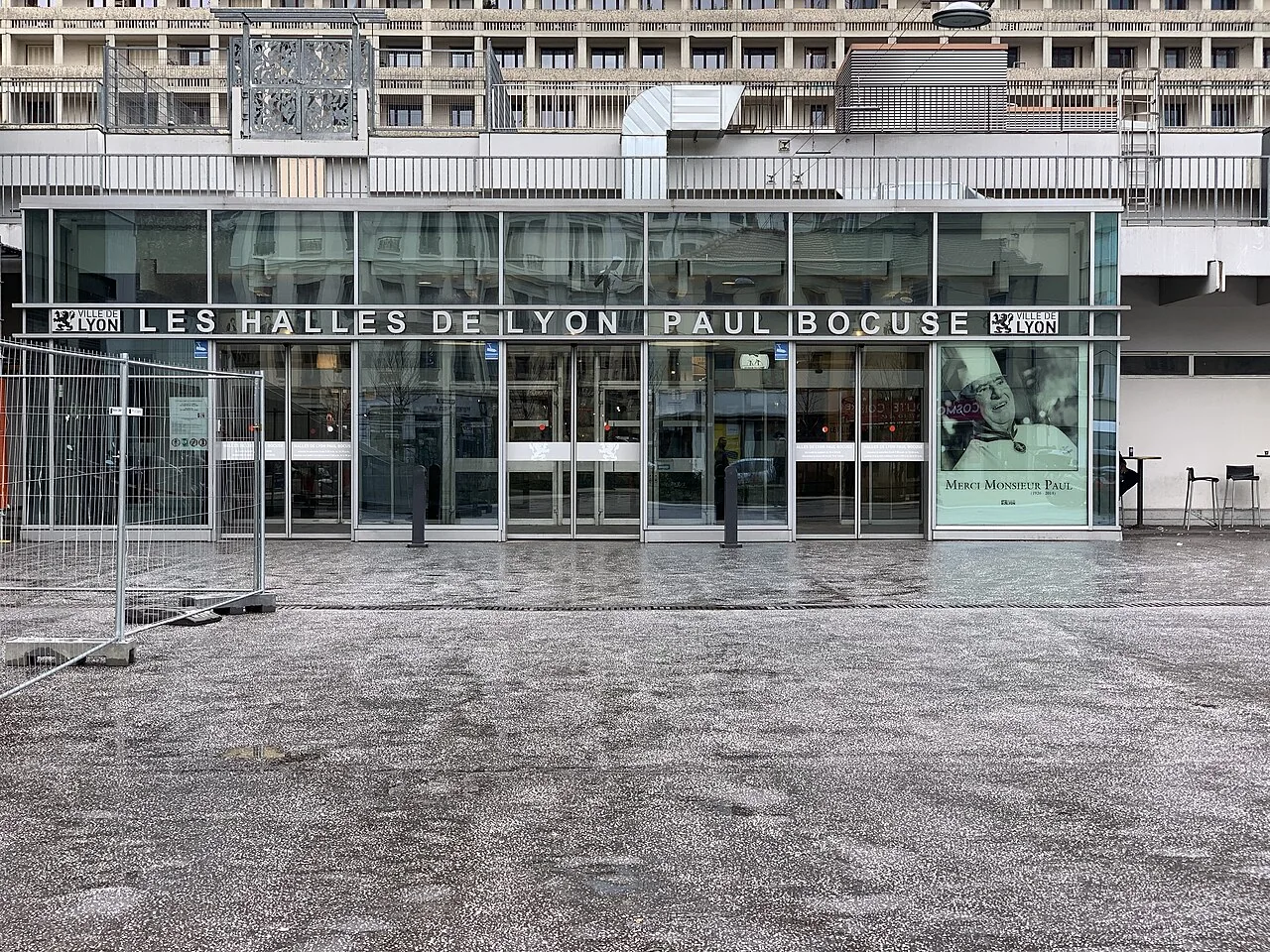
- Les Halles de Lyon Paul Bocuse: a food-market visit without rushing
- Vieux Lyon and its traboules: a respectful walking guide
- Presqu’île on foot: squares, shops and a flexible city-centre route